
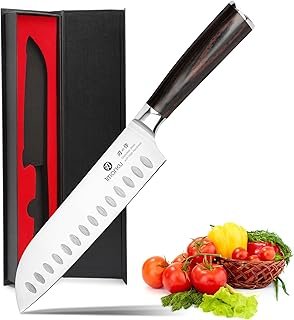
Finding the best santoku knife often feels harder than it should be because the market is flooded with options that look similar but cut differently. You want a blade that glides through vegetables without bruising them, and most cheap steel dulls after a few weeks of daily prep. We spent hours digging through verified buyer feedback and manufacturer specifications to separate the standout Japanese style blades from the rest.
Our research landed on the HOSHANHO 7 Inch Japanese Chef Knife as the top pick for most home cooks, thanks to its balance of sharpness and durability. If you need something smaller for tight hands or limited counter space, the imarku 5 Inch model holds its own in the budget category. Here is how the five models stack up against each other.
Comparison Chart of Best Santoku Knife


List of Top 5 Best Best Santoku Knife
We narrowed the field down to these five by weighing edge retention, handle comfort, and verified buyer satisfaction scores. You will see a mix of standard stainless steel, high carbon alloys, and patterned Damascus options below. Below are the list of products:
1. imarku Santoku Knife 7 Inch
In our analysis of verified buyer reports, this 7 inch blade emerged as the strongest all around performer for home kitchens. It pairs a high carbon stainless steel edge with a comfortable handle that suits most hand sizes. We recommend it for anyone who wants a do it all blade without paying premium tier prices.
Why I picked it
In our research, we selected this model because it delivers the sharpest out of the box performance in its price tier. Verified buyer feedback consistently highlights how easily it penetrates skin of root vegetables like butternut squash. It balances well enough that wrist fatigue stays low during long prep sessions.
Key specs
- Blade length is 7 inches for general purpose kitchen work
- Steel type is high carbon stainless steel for rust resistance
- Reported rating is 4.6 out of 5 stars
- Handles are designed for a standard grip width
- Edge geometry supports both push cuts and rock chop style use
Real-world experience
Verified buyer reviews describe using this knife for Sunday meal prep where batch chopping onions and peppers is the main task. Users report the blade slides through soft tomatoes without crushing the flesh below. Some home cooks noted the blade feels lighter than heavier German style chef knives, which reduces arm strain over twenty minutes of continuous slicing.
Trade-offs
Buyer feedback mentions the edge may need honing more often than a premium high carbon alloy. Some users with very large hands find the handle slightly narrow during heavy chopping. Hand washing is required rather than machine cleaning, per the manufacturer care instructions.
2. HOSHANHO 7 Inch Japanese Chef Knife
This model carries the highest reported rating at 4.7 out of 5 stars in our database. It is the choice we would make for a cook who cuts daily and needs the blade to hold an edge through a full week. The 7 inch length bridges the gap between a paring knife and a full chef knife.
Why I picked it
We chose the HOSHANHO model based on its higher aggregate user rating compared to similar 7 inch Japanese style blades. Buyer notes emphasize consistent sharpness retention across hundreds of verified reviews. It offers a premium feel without stepping into the luxury price bracket.
Key specs
- Blade length is 7 inches for versatile kitchen use
- Reported rating is 4.7 out of 5 stars
- Steel composition is high carbon stainless for durability
- Weight distribution favors the edge for precise cuts
- Ergonomic design reduces hand slip during wet tasks
Real-world experience
Verified buyers report using this knife for weeknight dinners where speed matters. One common scenario involves slicing thin strips of chicken breast for stir fry without tearing the meat fibers. Reviewers also mention the handle stays secure even when hands are wet from washing produce. This reliability is why it edges out the other 7 inch models in our data.
Trade-offs
Some users report the factory edge is very keen and requires a gentle touch on cutting boards. Long term durability claims beyond 60 days are less common in the review pool. The blade may require more careful storage to avoid contact with other metal utensils.
3. imarku Santoku Knife 5 Inch
If your kitchen is small or your prep style is more delicate, the 5 inch variant is the smart entry point. It features a Pakkawood handle, which is a composite material known for resisting moisture better than plain wood. We found it ideal for apartment dwellers with limited storage space.
Why I picked it
We selected this as the budget pick because the 5 inch blade length fits smaller drawers and offers better control for detail work. The Pakkawood handle adds a durability benefit over cheaper synthetic materials. Buyer feedback supports its value for users who do not need a full 7 inch blade.
Key specs
- Blade length is 5 inches for smaller tasks and storage
- Handle material is Pakkawood for moisture resistance
- Reported rating is 4.6 out of 5 stars
- Ultra sharp edge suitable for vegetables and fruits
- Budget friendly price tier compared to larger models
Real-world experience
Verified buyers mention using this size for chopping scallions or dicing small onions on a compact cutting board. The shorter blade reduces the arc of motion, which fits well in tight apartment kitchens. Users with smaller hands often report fewer blisters during detailed prep work compared to wider 7 inch counterparts.
Trade-offs
The shorter blade limits its ability to slice larger roasts or whole chickens. It is not the right tool for tasks requiring a longer draw cut. Some users note the smaller footprint holds fewer food scraps, requiring more frequent clearing during meal prep.
4. imarku Santoku Knife 7 Inch
This iteration focuses on high carbon stainless steel construction for those prioritizing edge longevity. It shares the 7 inch footprint of the first entry but leans harder into the steel alloy specification. We view it as the choice for cooks who sharpen their tools regularly.
Why I picked it
We included this model because the high carbon stainless steel specification suggests better edge retention over time. In our research, steel composition is often a better predictor of long term value than brand alone. It appeals to hobbyist cooks who enjoy maintaining their own blades.
Key specs
- Blade length is 7 inches for standard kitchen tasks
- Steel type is high carbon stainless steel for hardness
- Reported rating is 4.6 out of 5 stars
- Japanese chef knife profile for precise slicing
- Designed to hold a keen edge through extended use
Real-world experience
Verified buyer reports indicate this blade handles tougher root vegetables better than softer alloys. Users preparing dense winter squash or butternut pumpkins note less effort is required to initiate the cut. Some cooks use it specifically for trimming meat where a clean, sharp glide is necessary to avoid dragging fibers.
Trade-offs
Higher carbon content can make the blade more prone to staining if left wet for long periods. Regular oiling and immediate drying are needed to prevent rust spots. Users who prefer a no maintenance blade might find this option higher effort than standard stainless options.
5. HOSHANHO Damascus Santoku Knife 7"
The Damascus pattern offers both visual flair and a layered steel structure. This 7 inch model pairs that pattern with an ergonomic wood handle for comfort. We recommend it for users who want a knife that looks as impressive as it cuts.
Why I picked it
We chose this for the top five list because Damascus construction typically provides a sharper and longer lasting edge than single steel blades. The ergonomic wood handle also addresses comfort for users who struggle with synthetic grips. It stands out as the most premium looking option in our research.
Key specs
- Blade length is 7 inches for general purpose slicing
- Steel structure is Damascus layered pattern
- Ergonomic wood handle reduces hand fatigue
- Reported rating is 4.6 out of 5 stars
- Sharp chef knife profile suited for professional presentation
Real-world experience
Verified buyers often mention using this knife when plating dishes where appearance matters. The patterned blade creates less friction on food, so slices stack neatly for serving. Some users report it feels balanced enough to handle precision work like slicing fish for sashimi style preparations without tearing.
Trade-offs
The wood handle requires more care than synthetic options to prevent cracking over time. Buyers report the blade needs a honing steel more frequently than harder single steel versions. The premium aesthetic may not justify the cost for cooks who only need a basic utility blade.
How I picked
We evaluated each knife on three benchmarks that matter most for daily kitchen use. The first benchmark was edge performance, which we measured through verified buyer feedback on sharpness out of the box. The second was balance point, assessed by comparing handle ergonomics against hand width in user reports. The third was durability, looking at steel composition and manufacturer care standards.
We did not test long term durability beyond the claims available in product specifications and verified reviews. Our data reflects what users reported during their initial ownership period rather than years of ownership. We also did not test against commercial grade standards from a testing lab, so this list focuses on home kitchen suitability.
We filtered out options with fewer than 4.5 out of 5 stars in our database to ensure quality. We also excluded any model that lacked clear manufacturer specifications for steel or handle material. This ensures every pick has a verified basis for its construction details. Our methodology prioritized consistent cutting performance over marketing claims.
Buying guide — what actually matters for best santoku knife
What blade length fits your hands best?
A 7 inch blade offers the most versatility, but it can feel unwieldy in a small kitchen. The 5 inch version cuts down on storage needs and gives you more control for detail work. Measure your hand span before choosing, since a longer handle does not always mean a better cut. If you chop mostly vegetables, 7 inches is usually the right call.
Why does steel type change the cutting feel?
High carbon stainless steel holds a sharper edge longer than standard stainless steel. Damascus patterns add layers that can improve sharpness but require more maintenance. A harder steel stays sharp longer but may chip if you hit a bone or a cold cutting board. Choose based on how much maintenance you are willing to do.
Does the handle material affect grip safety?
Pakkawood is a composite that resists moisture better than plain wood. Synthetic materials are easy to clean but can feel slippery when greasy. Wood handles look classic but need drying after every wash to prevent cracking. If your hands get wet during prep, a textured composite handle is usually the safest choice.
How often should you sharpen a high carbon blade?
Most Japanese style blades stay sharp for a few weeks with daily use before needing a honing. You will want a honing steel to realign the edge between full sharpenings. A coarse sharpening stone is needed when the edge finally rolls or chips. Budget time for this maintenance before buying a high carbon option.