
Meta description: These 12 tested soup and stew recipes are comforting, budget-friendly, and freezer-ready — from chicken noodle to hearty beef stew.
Every September, when the air turns crisp, the first thing I do is put a pot on the stove. After more than twenty years of cooking for my family, I’ve learned that the best soup and stew recipes share the same qualities: they’re comforting, tested down to the last detail, and almost always one-pot meals I can build from scratch with ingredients from a regular grocery store.
They’re kind to the budget, too. A couple of pounds of chicken thighs, a bag of lentils, or one chuck roast can feed my crew for days, and the leftovers taste even better on day two. That make-ahead magic is why these recipes stay in my rotation all year — and why my freezer is never without a labeled container of soup waiting for a busy night.
Below are the five soups and stews I reach for most — the heart of the twelve-bowl rotation this collection celebrates — plus the tips, gear, and storage habits that turn a good pot into a great one. Every recipe is tested in my kitchen, freezer-friendly, and simple enough for a weeknight.
Why Soup and Stew Deserve a Spot in Your Rotation
Soups and stews are the workhorses of my kitchen, and not just because they taste good. They check every box that matters for a busy household: they’re budget-friendly, built for batch cooking, and they freeze like champions.
They stretch your grocery budget. Dried lentils cost about a dollar a pound and feed four people. Chuck roast, chicken thighs, and other braising cuts are among the cheapest meat at the counter, and a little goes a long way when it’s simmered with vegetables and stock. Most of these recipes feed my family of five a hearty dinner for well under ten dollars.
They’re made for batch cooking. One pot on Sunday becomes lunch all week, which is the entire point of cooking once and eating several times. I usually double a recipe on purpose just to have the extra. If you want to build soup night into a full weekly system, my meal prep guide walks through exactly how I plan, cook, and portion a week’s worth of meals at once.
They’re freezer-friendly by nature. Soups and stews freeze and reheat better than almost any other food I know, which makes them the ultimate make-ahead dinner. Portion them into containers, freeze for up to three months, and you’ve built yourself a personal stash of ready meals.
They get better with time. Flavors that taste good on day one taste remarkable on day three, because the spices and aromatics keep mingling in the liquid. That’s the kind of return on effort I can get behind.
Chicken Noodle Soup
The classic, and the one my kids request when they’re under the weather — or just hungry. This is the recipe I’ve tested the most over the years, and it’s built on a proper mirepoix: onion, carrot, and celery, diced small and cooked slowly in butter or olive oil until they soften and sweeten. That trio is the flavor base for nearly every soup I make, and it’s worth the ten minutes it takes.
From there, add minced garlic and fresh thyme, then your chicken. I use bone-in thighs whenever I can because they give the stock more body; boneless works fine in a pinch. Pour in good stock — homemade or a quality carton — and bring it to a gentle simmer. Let the chicken cook for 30 to 40 minutes, until it reaches 165°F, then pull it out, shred it, and return it to the pot.
Noodles go in at the end. I like wide egg noodles cooked right in the broth for the last 8 to 10 minutes so they soak up flavor. If I’m planning to freeze the whole pot, I cook the noodles separately and add them when serving, so they don’t turn to mush on reheating. If chicken is a weekly staple in your house the way it is in mine, don’t miss my roundup of the best chicken recipes for families.
Season in layers — salt the mirepoix, salt the broth, taste before serving — and finish with fresh parsley and a squeeze of lemon. Serve with crusty bread, or ladle it over rice if you want a change of pace; my guide to cooking rice perfectly makes that swap foolproof.
Butternut Squash Soup
This is the soup that makes people who claim they don’t like squash change their minds, and the secret is roasting first. I cut the squash in half, scoop out the seeds, rub the flesh with olive oil and a little salt, and roast it at 400°F for about 40 minutes, until it’s deeply caramelized and a fork slides in easily. That browning is where the sweetness comes from — no sugar needed.
While the squash roasts, soften an onion in butter in a heavy-bottomed pot, add a pinch of nutmeg and some fresh sage, then pour in stock and simmer for 10 minutes. Stir in the roasted squash and puree until silky. I use an immersion blender right in the pot — it’s one of my most-used tools — but a regular blender works fine too. If you go the blender route, cool the soup slightly and work in batches, filling the jar no more than a third full with the lid held down by a towel; hot liquid expands and can pop the lid. If you’re in the market, check current prices of immersion blenders on Amazon.
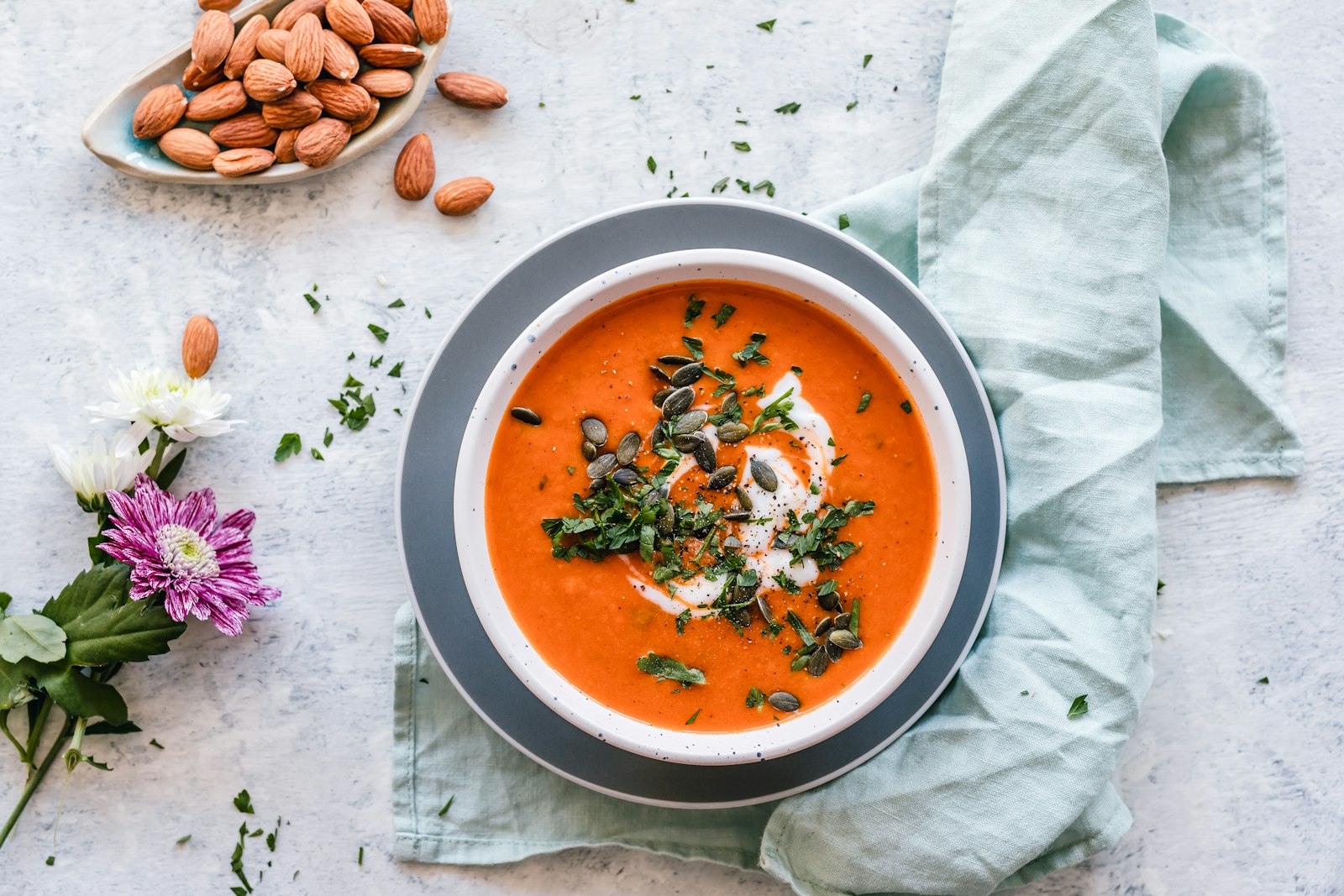
Finish with a splash of cream or coconut milk, a drizzle of maple syrup if the squash needs it, and toasted pumpkin seeds on top. It’s our fall favorite, and it’s also one of the easiest make-ahead soups I know: it purees, freezes, and reheats beautifully, so I keep a batch in the freezer from October through March.
Beef Stew
If you want fork-tender beef, the browning is non-negotiable. I cube a chuck roast into two-inch pieces, pat them completely dry, and sear them in batches in a Dutch oven with a little oil. Crowding the pan steams the meat instead of browning it, so I take my time and give each piece room. That deep brown crust is the Maillard reaction at work, and it’s the single biggest flavor boost in the whole pot. A good Dutch oven holds heat evenly and makes this step almost effortless — I’ve tested quite a few over the years, and you can compare current prices of Dutch ovens on Amazon if you’re shopping for one.
Once the beef is browned, I set it aside and cook the mirepoix in the same pot, scraping up the browned bits with a wooden spoon. That’s free flavor no jar can replace. A spoonful of tomato paste, cooked until it darkens, adds another layer. Then the beef goes back in with stock, a splash of red wine if I have one open, and a bay leaf.
Bring everything to a simmer, then drop the heat to the lowest setting where the liquid still bubbles gently. That’s the whole trick: a low, patient simmer for two to two and a half hours. The collagen in the chuck melts into the broth, and the meat turns silky and fork-tender. I add carrots and potatoes in the last 40 minutes so they keep their shape instead of dissolving into the pot.
This is my Sunday-afternoon recipe. It fills the house with the best smell in the world, it’s one-pot and hearty, and it’s even better the next day.
Lentil Soup
The most budget-friendly recipe in this collection, and the one that surprises people most with how filling it is. Brown lentils are the workhorse here: they cook in 20 to 30 minutes, no soaking required, and they’re packed with protein and fiber. A pot of lentil soup is a complete dinner for pocket change.
Start with the usual mirepoix, plus garlic, cumin, and smoked paprika. Let the spices bloom in the hot oil for a minute before any liquid goes in — that step wakes up their flavor in a way that just dumping them in the pot never does. Add rinsed brown lentils, a can of diced tomatoes, and stock or broth; either works, though I reach for stock when I want a richer pot. Simmer until the lentils are tender but not falling apart.
I like to stir in a handful of chopped spinach at the end and finish with a squeeze of lemon and a splash of vinegar. The acidity brightens everything. For a richer version, simmer a ham hock in the pot while the lentils cook, then shred the meat in before serving.
It’s hearty, high-protein, and freezes like a dream, which makes it my go-to for busy weeks. If you’re new to cooking with dried beans, this is the gentlest possible introduction.
Minestrone
Minestrone is what I make when the fridge is full of odds and ends and I want dinner that tastes like I planned it. It’s vegetable-forward and pantry-friendly: onions, carrots, celery, zucchini, green beans, canned tomatoes, and a can of beans — cannellini or kidney — all simmered together in stock.
The golden rule I test with every batch: add the pasta in the last 10 minutes. If it goes in too early, it swells into mush and drinks up all the broth. Small shapes like ditalini or elbow macaroni work best, and because the broth carries this soup, I use the best stock I have.
A parmesan rind simmered in the pot adds a savory depth you can’t get any other way — I save the rinds in a bag in the freezer just for this. When the pasta is al dente, taste and adjust the salt, then serve with a shower of parmesan and crispy croutons. I’ve taken to making those croutons in my air fryer — I’ve tested whether air fryers are safe for everyday use, and mine earns its counter space weekly.
Minestrone is forgiving and flexible, one of the best ways I know to use up whatever vegetables are hanging around. Make a double batch; you’ll be glad you did.
At a glance, here’s how the five core recipes compare:
| Recipe | Total Time | Protein Source | Best For | Freezer Rating |
|---|---|---|---|---|
| Chicken Noodle Soup | About 1 hour | Chicken | Sick days and family dinners | Great (freeze noodles separately) |
| Butternut Squash Soup | About 1 hour 15 min | Light (add white beans to boost) | Fall evenings | Great |
| Beef Stew | About 3 hours | Beef chuck | Sunday suppers | Excellent |
| Lentil Soup | About 45 minutes | Lentils | Budget-friendly weeks | Excellent |
| Minestrone | About 1 hour | Beans | Pantry-cleanout dinners | Good (add pasta when reheating) |
Tips for Better Soups and Stews
Over twenty years of testing, I’ve learned that a handful of habits separate good soup from great soup. None of them are complicated, but all of them matter.
Brown your meat — really brown it. Pat the pieces dry, don’t crowd the pan, and let each side develop a deep crust before you move on. That browning is the Maillard reaction, and it’s the difference between a stew that tastes rich and one that tastes boiled.
Build flavor in layers. Soften the mirepoix first, then bloom your spices and tomato paste in the hot fat, then add the liquid. Each step adds a layer the others can’t. Hardy herbs like thyme and bay go in early; tender ones like parsley go in at the end.
Salt as you go, and taste at the end. Season the mirepoix, season the broth, and then taste before serving — and trust that taste over the recipe. If a pot tastes flat, a pinch of salt, a splash of vinegar, or a squeeze of lemon usually fixes it faster than adding more spice.
Simmer, don’t boil. A gentle stream of small bubbles is what you want. A rolling boil toughens meat, clouds the broth, and can scorch the bottom of the pot. If it’s bubbling hard, turn it down — patience is an ingredient.
Use a pot that holds heat evenly. A Dutch oven or any heavy-bottomed pot distributes heat steadily, which means no hot spots, no scorching, and a calm, even simmer for hours. I cook nearly everything in this collection in one; if yours is past its prime, you can check current prices of heavy-bottomed stockpots on Amazon.
Let it rest. Soups and stews improve overnight. If you can, make them a day ahead — the flavors settle, the meat gets more tender, and tomorrow-you gets an easy dinner.
How to Store and Freeze
Almost every soup and stew in this collection freezes well for up to 3 months, which makes them the ultimate make-ahead dinner. A few habits keep them tasting as good as the day you made them.
Cool before storing. Never put a hot pot straight into the fridge — it raises the temperature of everything around it. I let soup cool to room temperature first, but no longer than 2 hours, then refrigerate or freeze. That window keeps the food safe and the fridge happy.
Freeze in portioned containers. I portion into single- and family-size containers, leave a little headroom for expansion, and label each one with the recipe and date. Flat, stackable containers freeze faster and thaw quicker, and they save real space. If you need more, check current prices of freezer-safe containers on Amazon.
Respect the 3-month window. Soups and stews stay at their best in the freezer for about three months. After that they’re still safe, but flavors fade and vegetables get soft. I date everything and use the oldest first.
Reheat gently. Thaw in the fridge overnight, then reheat on the stove over medium-low, stirring now and then. If you froze noodles or pasta in the pot, expect them softer — that’s why I often freeze them separately and stir in fresh ones at serving.
A well-stocked freezer of soup is the closest thing I know to a home-cooked dinner on demand.
The Bottom Line
Soups and stews are the most forgiving, most rewarding meals I know how to make. They’re budget-friendly, built for batch cooking, and freezer-friendly — the trifecta of practical home cooking — and they come together from scratch in a single pot with techniques anyone can learn.
If you’re not sure where to start, make the chicken noodle soup. It’s the recipe I’ve tested most, it’s nearly impossible to ruin, and it teaches you the mirepoix, the simmer, and the layering of flavor that every other recipe here builds on. Then work through the butternut squash, the beef stew, the lentils, and the minestrone, stocking your freezer as you go.