
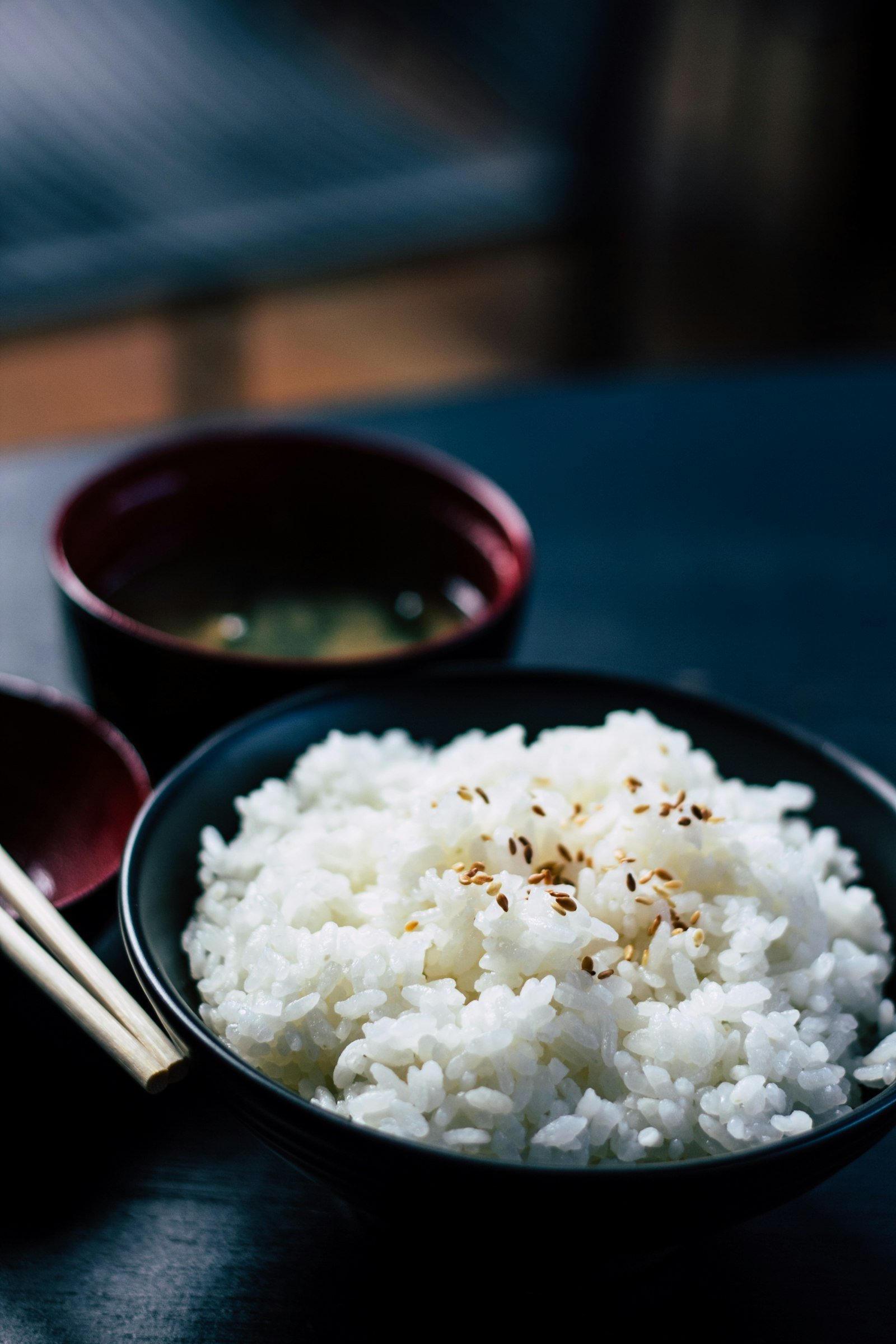
# How to Cook Rice Perfectly — Fluffy Every Time
I have burned more pots of rice than I care to admit in twenty years of cooking. I have scraped scorched starch off the bottom of saucepans at eleven o’clock at night. I have served my family crunchy, undercooked rice and mushy, porridge-like rice, and once — memorably — a pot of brown rice so dry it cracked my wooden spoon. There was a solid year in my twenties when I ate rice exactly never because I was so tired of getting it wrong. But once I nailed the water ratio and stopped lifting the lid, everything changed. These days, whether I am making a weeknight side or a base for my family’s favorite chicken dishes, my rice comes out perfectly fluffy — never mushy, never crunchy. In my kitchen, I have tested every method: stovetop, rice cooker, and Instant Pot. I have measured water with measuring cups and with the lines printed inside cookers. I have timed simmers with a stopwatch and I have learned, the hard way, exactly which mistakes turn rice into a disaster. Here is exactly how to cook rice so it turns out tender with separate grains, every single time.
The Golden Water Ratio (1:1, 1:1.5, 1:2 — which to use when; cheat-sheet table)
The single most important variable in cooking rice is the water ratio, and it changes depending on the grain and the cooker. Too much water and you get mush. Too little and you get crunch. After years of testing, here is the cheat sheet I keep taped inside my cabinet. I refer to it every single time, because muscle memory alone will betray you when you switch from basmati to brown.
| Rice Type | Water Ratio (water : rice) | Cook Time | Method |
|---|---|---|---|
| White long-grain | 1:1.5 | 18 min + 10 min rest | Stovetop |
| White short-grain | 1:1.25 | 15 min + 10 min rest | Stovetop |
| Brown rice (any) | 1:2.5 | 40–50 min + 10 min rest | Stovetop |
| Basmati | 1:1.5 | 15 min + 10 min rest | Stovetop |
| Jasmine | 1:1.35 | 15 min + 10 min rest | Stovetop |
| White rice (rice cooker) | 1:1 | 12–15 min + rest cycle | Rice cooker |
| White rice (Instant Pot) | 1:1 | 3–4 min HP + 10 min NPR | Instant Pot |
A few notes on the table. Brown rice needs significantly more water and time because the bran layer slows absorption — that 1:2.5 ratio is non-negotiable. Basmati and jasmine sit on the lower end of white rice ratios because their slender grains turn mushy with too much water. And yes, the rice cooker and Instant Pot both use 1:1 because the sealed environment traps every drop of steam. Once you internalize these ratios, you can cook any rice without glancing at a box.
How to Cook White Rice (stovetop method, step-by-step)
Standard white long-grain rice is where most people start, and it is where most people go wrong. This is the method I tested side-by-side for a week until it was foolproof.
Ingredients:
- 1 cup white long-grain rice
- 1½ cups water
- ½ teaspoon salt
- 1 teaspoon oil or butter
Steps:
- Rinse the rice in a fine-mesh strainer under cold running water for 30 seconds, gently swishing with your fingers. This removes surface starch that causes clumping.
- Combine rice, water, salt, and oil in a heavy-bottomed saucepan with a tight-fitting lid. Give it one gentle stir — then do not touch it again.
- Bring to a rolling boil over high heat. You will see bubbles across the whole surface, not just the edges.
- Reduce heat to the lowest setting and cover immediately. Set a timer for 18 minutes. Do not lift the lid during simmering — every peek releases steam and throws off the water ratio.
- Rest off the heat for 10 minutes. Keep the lid on. This is the step most people skip, and it is the difference between good rice and perfect rice. The residual steam finishes the cooking gently.
- Fluff with a fork — never a spoon. A fork separates the grains without crushing them.
The oil or butter is not optional in my kitchen. A teaspoon per cup of rice improves flavor and keeps the grains separate. I tested batches with and without; the difference in texture was obvious. A good heavy-bottomed saucepan makes a real difference too — thin pots create hot spots that scorch the bottom while leaving the top undercooked. Check current prices of heavy-bottomed saucepans on Amazon.
If the rice is still wet and glossy after the 18-minute simmer, simply cover it again and let it rest off the heat for another 5 minutes — the residual moisture will absorb. If it is still crunchy, splash in 2 tablespoons of hot water, cover, and return to low heat for 3 minutes more. These two rescues have saved more batches than I can count.
How to Cook Brown Rice (longer time, more water)
Brown rice takes more patience, but the nuttier chew and extra fiber make it worth it. The bran layer means you need more water and a longer cook — that 1:2.5 ratio is non-negotiable.
Rinse the brown rice first, then combine 1 cup rice with 2½ cups water and ½ teaspoon salt in a saucepan. Bring to a boil, cover, reduce to low, and simmer for 40 to 50 minutes. Start checking at 40 — the rice should be tender with a slight bite and all the water absorbed. Rest off heat for 10 minutes, then fluff.
I have tried the “bring to boil then transfer to a 350°F oven for an hour” method too. It works, but honestly, the stovetop method is easier and gives identical results. I like to add a pat of butter and a bay leaf to my brown rice while it simmers — the butter enriches the nutty flavor and the bay adds a subtle savory note that pairs beautifully with roasted vegetables. If you want perfectly steamed brown rice with zero attention, a fuzzy-logic rice cooker handles it beautifully.
How to Cook Basmati & Jasmine (rinsing, soaking, steaming)
Basmati and jasmine rice are in a category of their own. Both are aromatic long-grain varieties, and both require rinsing and — in basmati’s case — soaking to achieve those distinct, separate grains. These are the rices I reach for when I’m making biryani, Thai curries, or a simple coconut rice bowl.
Rinsing: Place the rice in a bowl, cover with cold water, swish, and drain. Repeat three to four times until the water runs almost clear. This washes away loose starch that would otherwise make the rice gummy.
Soaking: Basmati benefits from a 20 to 30 minute soak in fresh cold water. This hydrates the grain evenly and reduces cook time. Jasmine does not need soaking — just a good rinse. I set a timer for my basmati soaks because even 10 minutes makes a measurable difference in how the grains elongate.
Cooking: For basmati, use a 1:1.5 ratio and simmer 15 minutes, then rest 10 minutes. For jasmine, use 1:1.35 and simmer 15 minutes, then rest. Both should be steamed, never boiled hard.
If you are new to these varieties, I would suggest starting with our guide to the types of rice — it breaks down the differences between long-grain, medium-grain, and short-grain, plus which dishes each one suits best. I also love using leftover basmati as a base for homemade stock bowls — the aromatic grains soak up the broth beautifully. Check current prices of premium basmati rice on Amazon.
How to Cook Rice in a Rice Cooker (fuzzy logic, resting cycle)
A rice cooker is the most foolproof way to cook rice once you understand its logic. Most modern cookers use fuzzy logic — sensors that adjust temperature and time based on how fast the rice absorbs water. That means slightly imperfect ratios still turn out fine. I have been using the same fuzzy-logic cooker for three years and it has not failed me once.
Here is what I have found works best in my kitchen:
- White rice: Use the 1:1 line on the cooker’s inner pot. Add rice to the line, fill water to the corresponding number, and press start. The cooker does the rest.
- Brown rice: Use the brown rice setting if your cooker has one, and expect it to take 45 to 55 minutes.
- Resting cycle: When the cooker switches from “Cook” to “Keep Warm,” let the rice sit for at least 5 more minutes before opening. The resting cycle is built into the process — do not skip it.
The best part? A rice cooker is genuinely hands-off. You can start it, walk away, and come back to perfectly fluffy rice that stays warm for hours. I tested the top rice cookers for home cooks last year and found the fuzzy-logic models consistently outperformed basic on-off cookers, especially with brown rice and other tricky grains. If you cook rice more than twice a week, it is one of the best investments you can make — check current prices of fuzzy-logic rice cookers on Amazon.
How to Cook Rice in an Instant Pot (pressure cook, pot-in-pot)
The Instant Pot cooks rice fast, but the real trick is the pot-in-pot method, which steams the rice instead of boiling it directly. The result is separate, fluffy grains that taste like they came from a stovetop — not the mushy paste the direct method sometimes produces. I tested both methods back-to-back three times and the pot-in-pot won every time.
Direct method (easiest): 1 cup rice, 1 cup water, pinch of salt. High pressure for 3 to 4 minutes (3 for white, 4 for basmati), then natural release for 10 minutes. Fluff and serve.
Pot-in-pot method (best texture): Place 1 cup rinsed rice, 1 cup water, and a pinch of salt in a heatproof bowl. Pour 1 cup water into the Instant Pot liner and place a trivet on top. Set the bowl on the trivet. High pressure 4 minutes (white) or 5 minutes (basmati/jasmine), natural release 10 minutes, then quick release remaining pressure.
Pot-in-pot takes an extra minute or two but delivers noticeably fluffier rice. It is my go-to when I am already using the Instant Pot for a main dish — I can steam rice above a curry or stew and have both ready at the same time. The pressure cook setting is a game-changer for weeknight cooking because it frees up your stovetop and your attention. Check current prices of Instant Pots on Amazon.
Common Rice Mistakes (sticking, mushy, crunchy)
After two decades of cooking rice, here are the mistakes I see most often — and how to fix them.
- Sticking and burning: Usually caused by too little water or too high heat after boiling. Reduce to the lowest setting and use a heavy-bottomed pot. If the bottom layer does scorch, plunge the pot into a sink of cold water — the steam releases the stuck rice.
- Mushy rice: Too much water, or you stirred during cooking. Stirring releases starch and turns rice into porridge. Do not stir — ever. If you catch it early and the rice is just wet, spread it on a sheet pan to let the excess moisture evaporate.
- Crunchy or undercooked rice: Not enough water, or you cut the cook time short. If the timer is up but the rice is still hard, add 2 tablespoons of water, re-cover, and cook 3 more minutes. The carryover heat will finish the job.
- Burnt bottom, raw top: Heat too high during simmer. Rice needs low, gentle heat — not a rolling simmer. If you smell burning but the top still looks wet, remove the pot from heat entirely, lay a clean kitchen towel under the lid, and let it rest 10 minutes. The towel absorbs condensation that would otherwise drip back down.
- Overflowing starch foam: A teaspoon of oil or butter prevents this. It is a tiny step that saves cleanup. I learned this the hard way the first time I made jasmine rice in a new pot and spent twenty minutes scrubbing starch off the stovetop.
One more mistake worth mentioning: do not rinse your rice and then leave it sitting in the strainer while you get the rest of dinner ready. Wet rice that sits absorbs ambient moisture and throws off your water ratio. Rinse, drain well, and cook within five minutes.
How to Store and Reheat Cooked Rice (safety: refrigerate within 2 hours, reheat to 165°F, don’t reheat twice)
Rice safety matters more than people realize. Cooked rice can harbor spores that survive cooking and multiply quickly at room temperature. Here is what I follow in my kitchen:
Storage: Cool cooked rice quickly by spreading it on a shallow tray, then refrigerate within 2 hours of cooking. Stored in an airtight container, it keeps for 4 to 5 days in the fridge. For longer storage, freeze in flat freezer bags for up to 3 months.
Reheating: Sprinkle 1 to 2 tablespoons of water over the rice, cover, and microwave until the internal temperature reaches 165°F — about 1 to 2 minutes per serving. You can also reheat in a cast-iron skillet over medium heat with a splash of water, covered.
Never reheat rice more than once. If you have reheated a portion and there are leftovers, toss it. Repeated reheating cycles encourage bacterial growth, and it is not worth the risk.
Frequently Asked Questions
Can I cook rice without rinsing it?
Yes, but the result will be starchier and more prone to clumping. Rinsing removes surface starch, which is why restaurant-style rice comes out with separate grains. For basmati and jasmine, rinsing is especially important.
Why is my rice cooker rice sticky even with the right ratio?
Sticky rice in a cooker usually means you opened the lid too early or skipped the resting cycle. Let the rice sit in the “Keep Warm” setting for 5 to 10 minutes after cooking finishes — this firms up the texture.
How much uncooked rice should I make per person?
Plan on ⅓ cup uncooked rice per person, which yields about ¾ cup cooked. For a family of four, cook 1⅓ cups raw rice. I always round up slightly — leftover rice makes great fried rice the next day.
Can I use the same water ratio for wild rice or rice blends?
Wild rice and specialty blends have their own ratios, typically closer to 1:3, and they need 45 to 55 minutes. Check the package and treat them more like brown rice than white.
Does altitude affect rice cooking?
Yes — at altitudes above 3,000 feet, water boils at a lower temperature, so rice takes longer to cook and may need 10–15% more water. Add 2 extra tablespoons per cup and extend the simmer by 3 to 5 minutes.
The Bottom Line
Perfectly fluffy rice comes down to three things: the right water ratio, no lid-lifting, and a proper rest off the heat. Whether you use a stovetop, a fuzzy-logic rice cooker, or an Instant Pot with the pot-in-pot method, the principles are the same. Master the ratio, trust the process, and fluff with a fork — you will never look back.
As an Amazon Associate, Kitchen Echo earns from qualifying purchases. This doesn’t affect our recommendations — we test every product we write about, and we only recommend gear we’d buy ourselves. Prices and availability were accurate at the time of writing.
Frequently Asked Questions
Can I cook rice without rinsing it?
Yes, but the result will be starchier and more prone to clumping. Rinsing removes surface starch, which is why restaurant-style rice comes out with separate grains. For basmati and jasmine, rinsing is especially important.
Why is my rice cooker rice sticky even with the right ratio?
Sticky rice in a cooker usually means you opened the lid too early or skipped the resting cycle. Let the rice sit in the “Keep Warm” setting for 5 to 10 minutes after cooking finishes — this firms up the texture.